

Top Picks for the Best Floor Varnish for Wooden Floors
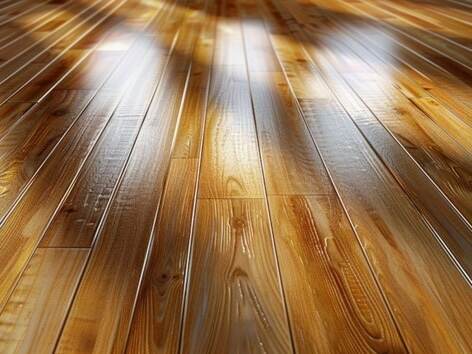
If you’re planning to have a wooden floor installed, varnish is a must. Floor varnish protects your floor while also enhancing its appearance, making it essential for wooden floors. So, what is the best varnish for wooden floors? Let’s find out!
Our Top Recommendations for Floor Varnish
What is the best varnish for wooden floors? This depends on factors such as your budget and how often the floor is used. Let’s explore some of your options:
Best Overall Floor Varnish
The best overall varnish is Ronseal Diamond Hard Floor – it’s durable, available in a range of colours, can be used on floors that have previously been varnished, and a second coat can be applied two hours after the first.
Best Varnish for High-Traffic Areas
For high-traffic areas, we recommend Sadolin Polyurethane Floor Varnish Clear Satin. It’s highly resistant to wear and tear, and it dries quickly.
Best Budget-Friendly Option
If you’re looking for a budget-friendly option, we suggest Rustins Quick Dry. As the name suggests, it dries quickly, and keeping it clean is a straightforward process.
Best Eco-Friendly Option
If you’re in search of an eco-friendly option, Auro Natural Floor Varnish might be the right choice for your floor, particularly as it’s slip-resistant, as well as resistant to damage from scratches.
Best Varnish for Enhancing Wood Grain
To enhance your wood grain, try Everbuild Ultra Hard Floor Clear Varnish. Not only does it enhance the floor and offer a glossy finish, it’s also durable and suitable for areas of high traffic.
Choosing the Right Varnish For Your Wooden Floors
What is the best varnish for wooden floors? This depends on a number of factors, such as durability and finish, wood type, and more.
Consider Durability and Finish Type
Durability is important in terms of maintenance and cost-effectiveness. You should also consider the finish type. A natural finish is great for enhancing the wood grain, while a gloss finish allows your floor to reflect lots of light. Matte finishes offer a low sheen, and satin finishes provide a midpoint between matte and gloss in terms of how much light they reflect.
Assess Compatibility with Your Wood Type
Different varnishes can interact differently with different types of wood. For example, if your floor is made of a particularly porous type of wood, you’ll need a water-resistant varnish such as oil-based polyurethane to protect it from mould and stains. On the other hand, if the wooden surface is slippery, consider floor wax for slip-resistance.
Look for Low VOC and Eco-Friendly Options
Varnishes with low volatile organic compounds (VOCs) are more eco-friendly than other floor varnish options. They also have health benefits, such as improved indoor air quality compared to other varnish types.
Decide Based on Application Ease and Drying Time
Ease of application and quick drying times are key to getting your floor varnished quickly. Water-based varnishes are great for this, and many of them are low VOC.
Application Tips for Your Chosen Floor Varnish
How does floor varnishing work? Let’s find out.
Preparing Your Wooden Floor for Varnish
First, the floor should be inspected for dirt and debris, and vacuumed or swept accordingly. It should then be sanded, then cleaned again to remove all dust created during the sanding process.
Step-by-Step Guide to Applying Floor Varnish
Primer is applied with a roller or brush. After it’s dry, the floor is sanded and cleaned again. Next, varnish is applied and left to dry, followed by another sanding and cleaning. Two or three more coats of varnish are then applied, following the same steps.
Common Mistakes to Avoid During Application
The varnish must be given enough time to dry – how long it will take depends on the type of varnish. It’s also important to remember to clean and sand after each application.
Maintaining and Caring for Varnished Wooden Floors
Here’s how to keep your floor looking its best:
Cleaning Tips for Varnished Floors
Carefully vacuum or mop the floor. Use cleaning products specifically designed for wooden floors to avoid damaging the varnish.
How to Recoat and Refinish Varnished Floors
Remove all furniture and cover the walls to protect them. The floor should be inspected and sanded again, with varnish applied as before. Any cracks or scratches in the floor can be fixed with wood sealer.
Frequently Asked Questions
Q. What is the best varnish to use on wood floors?
A. The best varnish varies depending on the desired finish, drying time and your budget.
Q. What is the toughest wood floor varnish?
A. Polyurethane varnishes are highly durable.
Q. Which wood floor finish is best?
A. This depends on how you want the floor to look. A gloss finish will make the floor shiny and reflective, while a natural finish enhances the wood grain.
Q. Is a brush or roller better for floor varnish?
A. A brush is better, as it can get into crevices in the wood.
If you’re looking to have a wooden floor installed, get in touch with us here at The Flooring Group today.