

How to Choose the Perfect Colours to Complement Your Flooring
If you wish to create a visually cohesive interior space, you will need to choose the right colours for your flooring, walls, and décor – it really is as simple as that.
Well, OK – it isn’t quite as simple as that, as this article will explain. Colour coordination has a major impact on both the aesthetics and functionality of any given room. So, if you wish to get your approach to it right, there are a fair few things you will need to know about.
The specific colour flooring that you select will certainly play a big part. Flooring sets the tone for a room, so if you choose colours that complement each other in the space, this will greatly enhance the all-round look and atmosphere.
Are you struggling to decide what colour walls go with grey flooring or which flooring works best with oak furniture? If so, this guide will provide expert tips to simplify your decision-making.
Understand The Basics of Colour Coordination
Determining the colour flooring that will work best in your intended interior design is about so much more than simply picking a hue that “looks like it would work”.
That’s because you will need to know the essential colour coordination principles:
The Colour Wheel
If you don’t know much about the colour wheel, it’s worth looking up some information about it. This circular diagram is commonly used in the visual arts to show the colours of the visible spectrum and how they relate to each other.
With the hues being arranged according to wavelength, the colour wheel can greatly help you pick out complementary, analogous, and/or contrasting choices for your interior space.
Neutral Tones vs Bold Accents
A major advantage of neutrals in your room such as grey flooring or oak furniture, is that they pair well with both subtle and bold colour schemes.
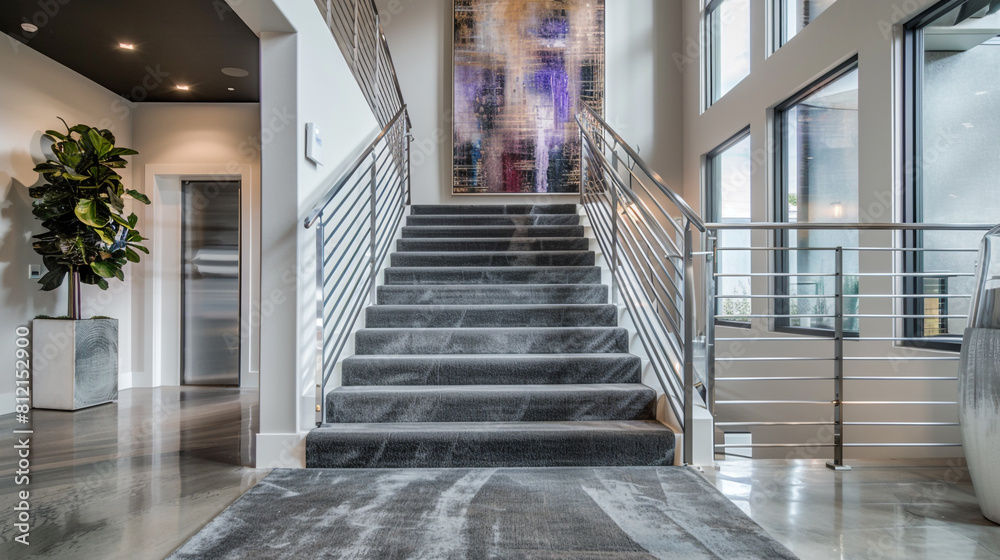
Grey flooring, for example, acts as such a versatile base that it pairs beautifully with pastel walls for a calming vibe, as well as with jewel tones for a more dramatic effect.
Jewel tones, by the way, are rich and saturated colours derived from gemstones – think the likes of sapphire blue, emerald green, and ruby red.
Pairing Wall Colours with Flooring
There’s both an art and a science to getting your wall colour right for the flooring your space has:
Grey Flooring
You will be far from the first person to wonder, “what colour walls go with grey flooring?” And the short answer to that question is, almost any wall colour will go well with grey, because the latter is such an adaptable, neutral shade.
This means you might be tempted to go for a timeless white or beige for a calming overall vibe, or perhaps even dark blue for a sophisticated contrast.
Oak Furniture
Such hues as warm creams, greens, and greys can all be excellent complements to the natural tones of oak. Greens such as sage or olive, for example, can help cultivate the calm feel you might desire for your living room or study.
However, it isn’t just the wall colour that matters when it comes to the likes of oak dining tables, chairs, and chests.
If, for instance, you’re wondering what colour laminate flooring goes with oak furniture, many different colours could work for different reasons. These encompass such possibilities as light grey for creating a balanced look, or honey or golden oak for bringing out the oak furniture’s warm tones.
Rugs And Accessories: The Finishing Touches
Attention to detail is vital when it comes to coordinating the colours in your interior space with the flooring:
Choosing Rugs for Grey Flooring
A commonly asked question is: “what colour rug goes with grey flooring?” In various contexts, neutral colours like beige, cream, and ivory can work well, as can bolder hues such as red, orange, and blue.
Here at The Flooring Group, we would particularly recommend colours like white, charcoal, or even relatively vibrant patterns that will enhance the flooring’s look without overwhelming the space.
Accents That Tie It All Together
Opting for cushions, curtains, or artworks in hues that echo your flooring colour can create visual accents that “pop” in a tasteful way, while still creating a sense of harmony.
Practical Considerations When Choosing Colours
Selecting the right colours for your décor isn’t just a case of deciding what generally “looks nice”; it is also crucial to consider certain practical impacts on how you will engage with and use the given space.
Room Size and Lighting
It is important to pay attention to these aspects, given how light impacts on colour perception and the appearance of a floor. To put it a simple way, warmer lighting will bring about warmer tones to your floor, whereas relatively cold illumination will bring out colder tones.
Lifestyle Factors
Kids, pets, or the likelihood of heavy foot traffic in the given part of your property may also influence your choices.
For example, you might opt for darker tones on the grounds that they often disguise minor scratches or dents better than lighter colours, or you may prioritise the most durable materials.
Maintenance Needs
There has long been a certain level of dispute over whether darker or lighter flooring is better for concealing dirt or wear. This is a matter with important implications, though, as it could impact on how often you need to clean, repair, and/or replace your flooring to keep it presentable.
One factor you might want to especially consider if you have your heart set on installing a hardwood floor, is the potential impact of water spots, as could be introduced if someone walks into your property with wet footwear.
In the event of this happening, the colour tone of your flooring could be affected in localised areas. These water spots may be especially noticeable if you have opted for a particularly dark or light tone of wood. For this reason, among others, you might be most drawn towards a medium tone.
Expert Tips for Perfect Colour Flooring Choices
Following the below practices could further aid your efforts to select the right colour flooring for your circumstances and needs:
Sampling First
If you can obtain swatches of the relevant paints, flooring options, and fabrics that you’re considering, and test them together, this can greatly help give you a sense of which options will pair well together, and which ones won’t.
From there, you will be able to commit to specific options with confidence.
Trends vs Timelessness
The most recent trends in flooring materials and paint colours can be well worth bearing in mind. However, you won’t want to be so swept along by a particular up-to-the-minute “cool” aesthetic, that your interior space ends up looking hopelessly dated in a few years’ time.
Ultimately, then, you will need to balance current trends with long-term appeal. But who has the time to even keep up with the latest interior design and flooring trends, anyway?
The answer is: our experts do, here at The Flooring Group! So, if you would like them to help relieve the burden of getting this balancing act right, please don’t hesitate to enquire to us today.
Start Playing with Colours
We hope this guide will have helped you to appreciate that selecting the most appropriate colour flooring for your space, and pairing it with the right hues, isn’t something you should do “on the hoof”.
Knowing about the colour wheel and how complementary colours work, as well as other potential factors such as lighting, will greatly assist you as you seek to coordinate different tones in a tasteful way across each and every room.
It is hugely important to think carefully about the colour choices you make for your flooring and décor. At the same time, though, we would urge you not to feel too constrained; experimenting and trusting your instincts will help you achieve great results that you might not have expected.
With these tips, you’re ready to create a beautifully cohesive space. Start exploring your perfect colour flooring combinations today!