

What Is LVT Flooring and How to Clean It? An Overview of Materials and Maintenance
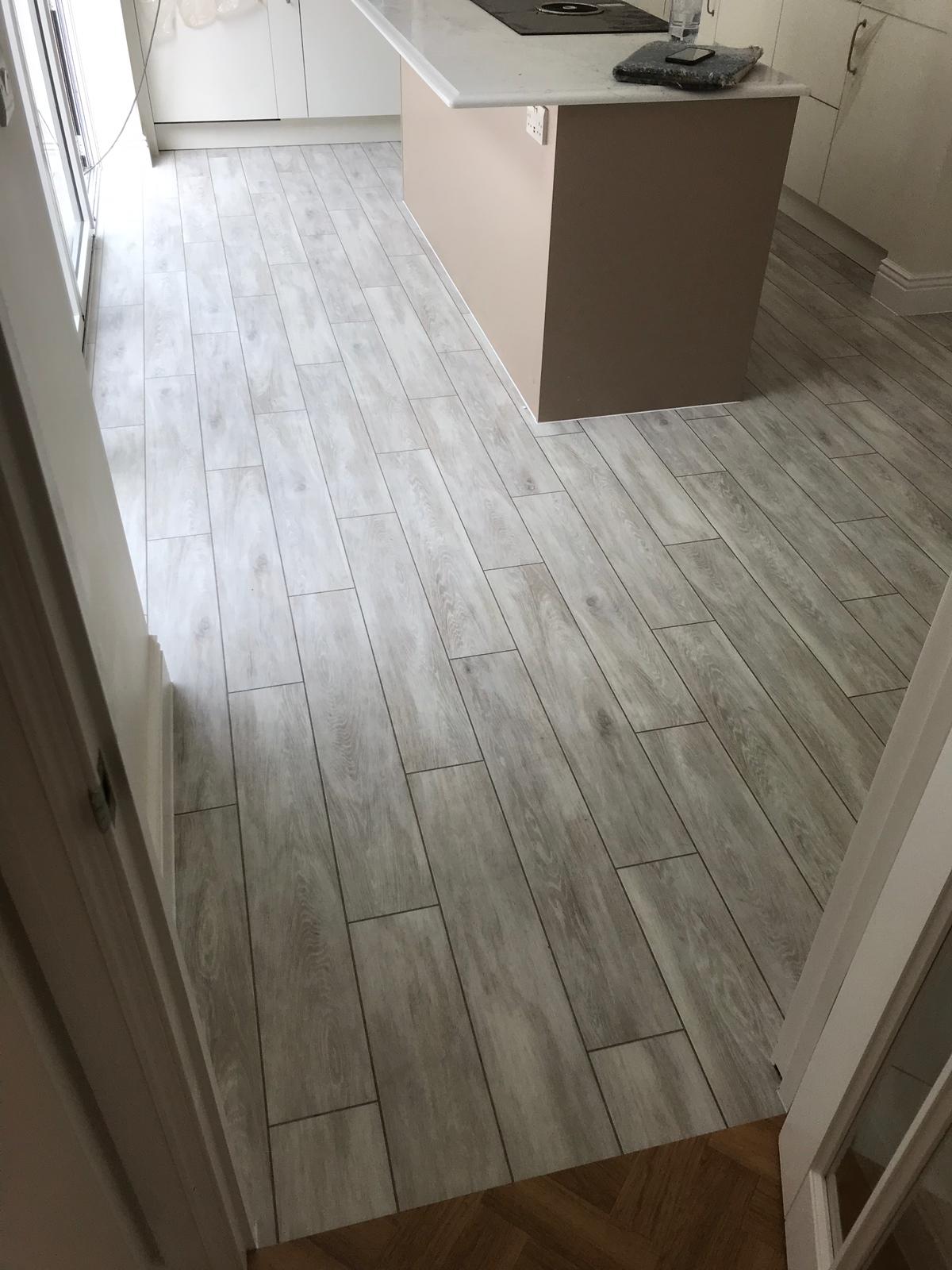
Resembling genuine wood or stone but actually consisting of a series of thin and flexible layers that can be cut through with a knife, LVT flooring has gained in popularity as an option for UK homes and business premises.
The initialism LVT stands for Luxury Vinyl Tile, which provides the first clue of what this flooring is; indeed, it is produced in tile or plank shapes. It is a still relatively new type of flooring, but it can be summed up as combining the warmth of carpet with the practical benefits of tiles. This blend of characteristics has helped make it a go-to choice for modern interiors.
If you’ve ever wondered to yourself, “what is LVT flooring, and how would I clean it if I had it installed?”, you’re in the right place. In this article, we will set out what LVT flooring is, in addition to providing actionable tips on its maintenance.
What Is LVT Flooring?
To pick up on what we stated above, LVT flooring can be essentially regarded as combining some of the best things about both traditional and contemporary flooring materials.
LVT is a type of vinyl flooring that is designed to mimic the appearance of natural materials like wood, stone, or ceramic, but with added durability and affordability.
So, what is LVT flooring made of? It is typically made from multiple layers of PVC vinyl, which is mixed with various compounds to affect the hardness. This layered construction comprises a wear layer, design layer, core layer, and backing layer, although the final flooring is still only around 2mm to 8mm thick.
Not only affordable and easy to install, but also offering waterproof properties and impressive design versatility, LVT flooring presents a lot of benefits that people tend to want in modern flooring. This helps make it suitable for a variety of spaces, encompassing the likes of kitchens, bathrooms, and commercial settings.
Benefits Of LVT Flooring
Below are a few of the excellent reasons to consider LVT flooring for your residential property or business premises:
- Aesthetic versatility: this type of flooring is commonly made to look like certain popular premium materials at first glance, such as real wood or real stone.
- Durability: with its ability to resist scratches, dents, and wear, LVT flooring can be ideal for high-traffic areas.
- Low maintenance: you won’t need to invest much time and effort cleaning and maintaining LVT flooring – but we’ll elaborate on the cleaning side of things below.
- Comfort: LVT flooring is warmer underfoot than tiles, especially during the winter. Indeed, it is compatible with underfloor heating.
Other flooring types that you may have considered – such as laminate, hardwood, or ceramic tiles – might offer some of the aforementioned advantages, but not necessarily all of them. So, it can be well worth considering LVT flooring among the options for your property.
How To Clean LVT Flooring
As we mentioned above, LVT flooring has a deserved reputation for requiring low maintenance. However, there are still some things you will want to bear in mind for the cleaning of this flooring:
Daily Cleaning
For the day-to-day cleaning of this flooring, be sure to use a soft-bristled brush or vacuum to remove dust and debris. The use of non-abrasive tools will be crucial for avoiding damage to the surface of your LVT floor.
Weekly Cleaning
Make sure you regularly mop your LVT flooring with warm water and a pH-neutral cleaner. Steer clear of using any steam cleaners or abrasive chemicals, as these can damage the wear layer.
Dealing With Stains and Spills
If a spill occurs on your LVT floor, blot it immediately with a soft cloth. For tougher stains, we recommend the use of mild cleaning solutions or products that you have specifically checked are LVT-friendly.
Preventative Measures
Placing mats at the entrances to any areas of your property where LVT flooring has been installed, can help to trap dirt (thereby preventing it from being dragged onto the floor).
Whenever you need to move items of furniture around on an LVT floor, make sure you attach furniture pads to them, to help prevent scratches to the floor.
Common Mistakes to Avoid
While it is crucial to know how to clean LVT flooring, knowing what not to do is of equal importance. Here are some of the most frequently made mistakes:
- Using harsh chemicals or bleach, which can damage the floor’s finish or protective layers.
- Scrubbing with abrasive tools, which can cause scratches to the flooring.
- Allowing water to sit on the floor, which may lead to it warping.
Maintenance Tips for Long-Term Durability
Make sure you also follow these maintenance practices to ensure your LVT flooring looks and functions well for as long as possible:
- Periodically resealing the wear layer (if the manufacturer of your LVT flooring recommends this).
- Rotating any heavy furniture in your room from time to time, to prevent denting of the floor.
- Shielding the floor from prolonged exposure to direct sunlight to guard against fading.
Choosing The Right Products for Cleaning and Maintenance
A relatively easy way to ensure you’re using cleaners, tools, and accessories that are genuinely safe for LVT flooring, is to check which products are approved by the manufacturer of your LVT flooring. Making sure you only use such approved products, can also help maintain your warranty coverage.
But in certain circumstances, it might not be entirely obvious what products you should use. In that case, follow these tips:
- Use cleaners that are specially formulated to clean the surface of vinyl without damaging the finish; look for terms like “vinyl floor cleaner” or “LVT cleaner”.
- As for tools, be sure to use a vacuum with a soft brush attachment or hard floor setting for the removal of dust and debris. A separate soft brush or dust mop can also be ideal for sweeping up loose dirt and debris. For the spot-cleaning of light surface marks, use a damp mop or cloth.
Considering LVT Flooring?
So, there you have it; with its design versatility, affordability, durability, water resistance, and ease of maintenance, LVT flooring presents a wealth of potential benefits for domestic and business properties alike.
Remember that although LVT flooring doesn’t have the heavy maintenance requirements that some alternative flooring types may do, it is still essential to proactively and properly maintain it. After all, this will help extend the flooring’s lifespan.
If you’re thinking of having LVT flooring installed at your property, we would urge you to consult professionals for advice and guidance tailored to your situation. Enquire to our team at The Flooring Group today, and we would be pleased to help ensure you choose the right flooring for the setting you have in mind.