

Wood Flooring in Kitchen Spaces: Pros, Cons, and Best Options
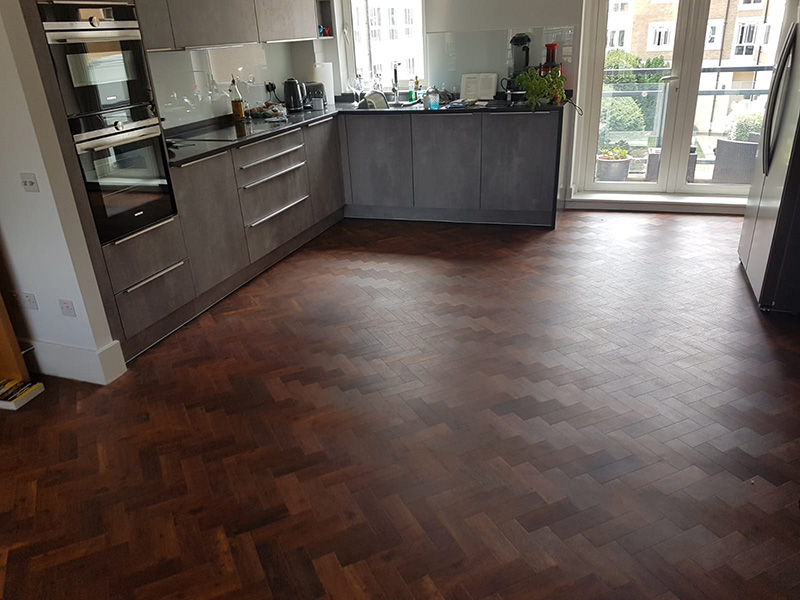
In recent years, the trend of installing wood flooring in kitchen spaces has grown significantly. Homeowners are increasingly drawn to the warmth and timeless elegance that wood floor in kitchens can offer. However, the decision isn’t as simple as it may seem. Many wonder whether hardwood in kitchen areas are practical choice or if it comes with too many challenges. This guide explores the pros, cons, and best options for those considering hardwood flooring in kitchens. We’ll examine the unique benefits and potential drawbacks, discuss modern solutions to traditional problems, and offer practical advice on maintenance. Whether you’re renovating an existing space or designing a new kitchen from scratch, understanding the ins and outs of wood flooring in kitchens is essential for making an informed decision.
Wood floor in kitchens not only adds a touch of sophistication but can also create a warm, inviting atmosphere that can transform the heart of your home. Throughout this guide, you’ll see that the debate over hardwood in kitchens involves careful consideration of aesthetics, durability, and maintenance challenges. Ultimately, with modern finishes and the right care, wood flooring in kitchens can be both beautiful and resilient.
Is Wood Flooring a Practical Choice for Kitchens?
When considering wood flooring in kitchens, several common concerns come to the forefront. Kitchens are high-traffic zones where spills, moisture and heavy use are everyday challenges. The practicality of wood floor in kitchens often hinges on how these challenges are managed.
One of the main concerns is moisture. Traditional hardwood is known to be sensitive to water, which can cause warping, staining, or even permanent damage if not properly sealed. However, advancements in modern finishes and treatments have significantly improved the performance of hardwood flooring in kitchen areas. With the use of high-quality sealants and engineered products, even wood floor in kitchens can become resistant to spills and humidity.
Durability is another factor to consider. Kitchens see constant movement – from food preparation to family gatherings – so the flooring must withstand high traffic and occasional impacts. Fortunately, many of today’s wood flooring options are designed with enhanced durability in mind. Whether you choose engineered hardwood or a specially treated solid wood, there are products available that can handle the wear and tear typical of a busy kitchen.
Maintenance is also a key consideration. Regular cleaning and prompt attention to spills are critical in preserving the beauty of hardwood in kitchens. With proper care, even hardwood flooring in kitchens can maintain its lustre for many years. In short, while there are challenges, modern innovations and proper maintenance practices can make wood flooring in kitchens a very practical option.
Pros of Wood Flooring in the Kitchen
There are several compelling advantages to choosing wood floors in kitchen spaces. Here are some of the most notable benefits:
- Aesthetic Appeal: Wood flooring in kitchens offers a timeless and elegant look that brings warmth to any kitchen. The natural grain and texture create an inviting atmosphere, making your space feel both cosy and sophisticated.
- Increases Home Value: Installing quality wood floors in kitchens can enhance your home’s resale value. Many buyers appreciate the luxurious look of hardwood, and it’s often seen as a premium feature.
- Comfort & Insulation: Compared to hard surfaces like tile, wood is generally warmer and softer underfoot. This can make your kitchen more comfortable to stand on for extended periods, especially during cooking or cleaning sessions.
- Versatile Design: Wood flooring in kitchens complements a wide range of interior styles. Whether your kitchen is modern, traditional, or somewhere in between, it can blend seamlessly with your cabinetry, countertops, and overall decor.
- Eco-Friendly Options: With the rise of reclaimed wood and sustainably sourced materials, there are environmentally friendly options available. These not only add character to your space but also appeal to eco-conscious homeowners.
- Timelessness: Unlike some trendy materials that may fall out of favour, hardwood flooring in kitchens maintains a classic appeal that never goes out of style. This timeless quality means your kitchen will remain attractive for years to come.
Cons of Wood Flooring in the Kitchen
While wood flooring in kitchens has many benefits, it’s important to consider its potential downsides before making a decision. Here are some challenges associated with hardwood in kitchens:
- Moisture Sensitivity: Wood is naturally porous, making it susceptible to water damage if not properly sealed. In a kitchen, where spills and humidity are common, this can lead to warping, staining, or even mould growth if not addressed properly.
- Scratches & Wear: High-traffic areas like kitchens are more prone to scratches and dents. Dropped utensils, moving furniture, or even the constant foot traffic can leave marks on the wood, which may require occasional repairs or refinishing.
- Maintenance Requirements: Hardwood flooring in kitchens requires regular upkeep to maintain its appearance. This can include routine cleaning, periodic refinishing, and careful management of spills. For busy households, this maintenance can be seen as a drawback.
- Temperature and Humidity Fluctuations: Changes in temperature and humidity can cause wood to expand and contract. This may lead to gaps or warping over time if the flooring isn’t installed with proper precautions.
- Initial Cost: High-quality wood flooring in kitchens – especially solid hardwood – can be more expensive upfront compared to other flooring options. Although it may add value to your home, the initial investment can be significant.
Best Wood Flooring Options for Kitchens
Choosing the right type of wood floor in kitchens can make a big difference in its performance and appearance. Here are some of the best options to consider:
- Engineered Hardwood:
Engineered hardwood is a popular choice for kitchens because it offers the authentic look of real wood while being more resistant to moisture and temperature fluctuations. Its multi-layer construction provides stability, making it a practical choice for high-traffic areas. Many homeowners find that engineered hardwood flooring in kitchens is a smart investment. - Oak & Maple:
These hardwoods are known for their durability and natural beauty. Oak offers a classic look with prominent grain patterns, while maple provides a smoother, lighter appearance. Both types are well-suited for kitchens, offering excellent wear resistance and the ability to be refinished over time. - Reclaimed Wood:
For those who value sustainability and character, reclaimed wood flooring can be an excellent option. Reclaimed wood not only provides a unique, rustic look but also tells a story of its past life. Although it may require more careful installation and maintenance, its charm and eco-friendly nature make it a desirable choice for many modern kitchens.
When choosing wood for your kitchen, pay close attention to the finish. A high-quality finish can add an extra layer of protection against spills, scratches, and general wear. Consider matte or satin finishes that are designed to hide minor imperfections while offering a smooth, elegant look.
For more detailed information on hardwood options, check out The Flooring Group Hardwood Flooring.
Tips for Maintaining Wood Flooring in the Kitchen
Maintaining hardwood flooring in kitchens involves a few key practices that help extend the life and beauty of your floor. Here are some practical tips:
- Wipe Up Spills Immediately:
Since water and wood do not mix well, it’s crucial to clean up any spills as soon as they occur. Use a damp (not wet) cloth to blot the spill and avoid leaving moisture on the surface. - Use Protective Mats:
Place mats or rugs near sinks, dishwashers, and cooking areas where spills are more likely. This not only protects the wood but also reduces wear from constant foot traffic. - Furniture Pads:
Attach felt pads or protective covers to the bottom of furniture legs to prevent scratches and dents when moving chairs or tables. - Regular Cleaning:
Use a wood floor cleaner that is specifically formulated for your type of finish. Avoid harsh chemicals and excessive water. Instead, opt for a damp mop and a gentle cleaning solution. - Periodic Refinishing:
Over time, even the best-protected wood floors may show signs of wear. Periodic refinishing can restore the original beauty of the floor. This may involve sanding down the top layer and applying a fresh coat of finish. - Control Humidity Levels:
Maintain a stable indoor humidity level using a humidifier or dehumidifier if necessary. This helps prevent the wood from expanding or contracting excessively.
These steps will help ensure that your hardwood in kitchens remains beautiful and functional for years to come.
Is Wood Flooring Right for Your Kitchen?
Deciding whether wood flooring in kitchens is the right choice ultimately depends on your lifestyle, maintenance preferences, and design goals. Here are some final thoughts to help you weigh the pros and cons:
- Lifestyle Considerations:
If you have a busy household with young children or pets, the higher maintenance requirements and susceptibility to spills might be a concern. However, if you’re willing to put in the effort to care for your floor, the aesthetic and comfort benefits can far outweigh the drawbacks. - Design Vision:
Wood floor in kitchens offers a timeless elegance that can transform your kitchen into a warm and inviting space. If your design vision leans toward a natural, organic look with a touch of sophistication, then wood flooring might be the ideal choice. - Budget:
While hardwood flooring in kitchens may come with a higher initial cost, its potential to increase home value and offer a long-lasting, beautiful surface can make it a worthwhile investment. Consider both the upfront expense and the long-term benefits when making your decision. - Modern Innovations:
Thanks to modern treatments and engineered options, many of the traditional concerns about wood flooring in kitchens can be mitigated. Advances in sealants, finishes, and installation techniques have made it possible to enjoy the beauty of wood without many of the pitfalls once associated with it.
In the end, whether you choose traditional solid wood or an engineered variety, a carefully selected and well-maintained wood floor in kitchens can be a fantastic investment. With the right approach, hardwood in kitchens not only enhances the look of your home but also provides a durable and comfortable surface that stands the test of time.
Conclusion
Choosing wood flooring in kitchen spaces is a decision that blends aesthetics, functionality, and lifestyle considerations. While challenges such as moisture sensitivity and maintenance exist, modern solutions and careful upkeep can transform these potential drawbacks into manageable aspects of a beautiful, natural kitchen. The benefits – ranging from aesthetic appeal to increased home value to comfort and versatile design – make hardwood flooring in kitchens a great choice for many homeowners.
If you’re considering adding wood floor in the kitchen to your home, take the time to explore your options. Look into engineered hardwood for its resilience, consider the enduring charm of oak or maple, or even opt for reclaimed wood to add a unique, eco-friendly twist. By weighing these choices carefully and following proper maintenance practices, you can enjoy all the advantages of wood flooring while mitigating its challenges.
Ultimately, the decision comes down to personal preference and lifestyle. With the right care, hardwood in kitchens can be both a stylish centrepiece and a practical, durable solution. We hope this guide has given you a clear, balanced overview of the pros, cons, and best options available.
What do you think – will you be choosing wood flooring for your kitchen? Have you already experienced the benefits or challenges of hardwood flooring in kitchens? We’d love to hear your thoughts and experiences. Share your feedback and any questions in the comments below!